
Understanding IaaS, PaaS, SaaS: Cloud Computing Simplified
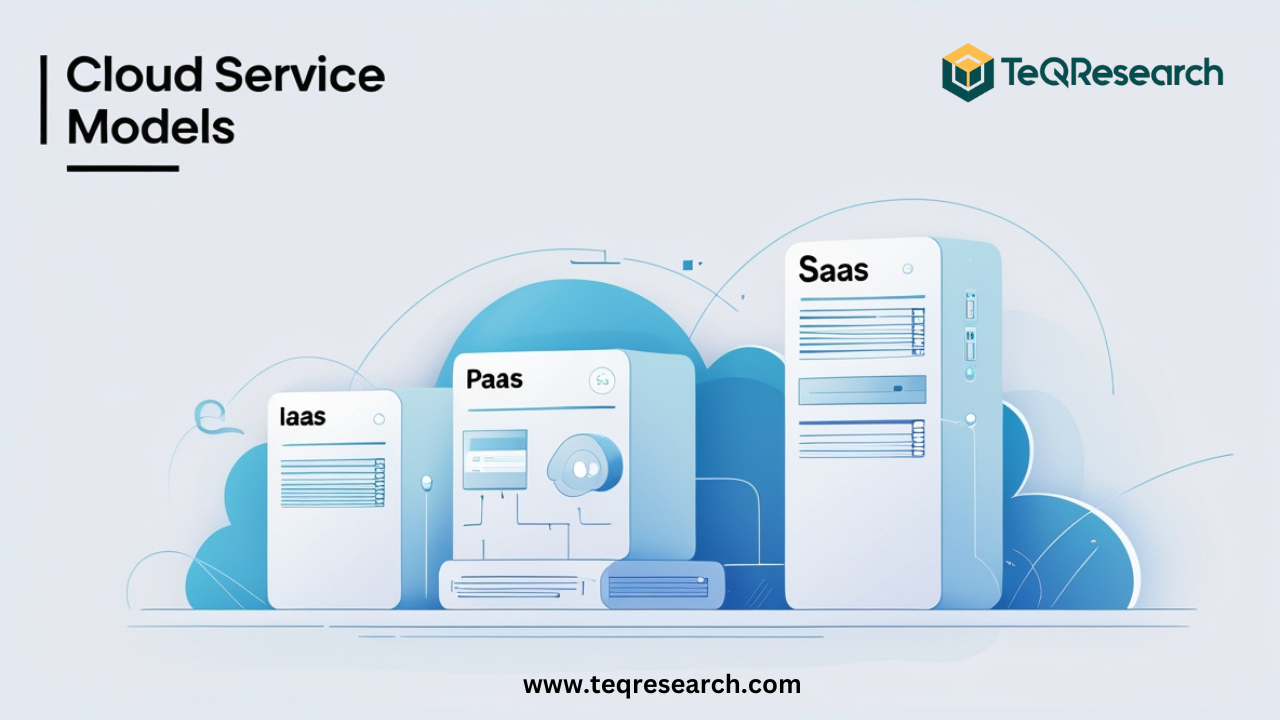
Cloud computing has transformed how businesses and individuals access technology by delivering computing resources over the internet instead of relying on physical infrastructure. At the heart of this transformation are three primary cloud service models: Infrastructure as a Service (IaaS), Platform as a Service (PaaS), and Software as a Service (SaaS). These models define how much control, flexibility, and responsibility users have when using cloud-based solutions. Instead of purchasing and maintaining expensive hardware and software, organizations can now access services on demand and pay only for what they use, making cloud computing highly scalable and cost-efficient.
Infrastructure as a Service (IaaS) is the most fundamental cloud model, offering virtualized computing resources such as servers, storage, and networking over the internet. In this model, the cloud provider manages the physical infrastructure, while users are responsible for operating systems, applications, and data. IaaS is ideal for businesses that need high flexibility and control over their IT environment without the burden of maintaining physical hardware. It enables organizations to scale resources dynamically based on demand and is widely used for hosting applications, backup systems, and disaster recovery solutions.
Platform as a Service (PaaS) builds on IaaS by providing a complete development and deployment environment in the cloud. It includes tools, frameworks, and runtime environments that developers can use to build, test, and deploy applications without worrying about underlying infrastructure. With PaaS, the cloud provider manages servers, storage, networking, and even operating systems, allowing developers to focus purely on coding and innovation. This model is particularly beneficial for software development teams, as it accelerates application development, reduces complexity, and supports collaboration across distributed teams.
Software as a Service (SaaS) represents the most user-friendly cloud model, delivering fully functional applications over the internet. In this model, the service provider manages everything, including infrastructure, platforms, and the application itself. Users can access software through web browsers without installation or maintenance. SaaS is widely used for applications like email, customer relationship management (CRM), and collaboration tools. It is highly convenient for businesses and individuals because it eliminates the need for technical expertise and ensures automatic updates and maintenance.
The key difference between these three models lies in the level of control and responsibility. IaaS offers maximum control but requires more technical expertise, PaaS provides a balanced approach by simplifying development processes, and SaaS offers minimal control but maximum convenience. Organizations often use a combination of these models depending on their specific needs, technical capabilities, and business goals.
Understanding IaaS, PaaS, and SaaS is essential for choosing the right cloud strategy. Each model serves a different purpose, from managing infrastructure to delivering ready-to-use applications, and together they form the backbone of modern cloud computing. As businesses continue to adopt digital transformation, selecting the appropriate cloud service model can significantly impact efficiency, scalability, and innovation.
Read more: https://teqresearch.com/cloud-service-models-explained-iaas-paas-saas/